Month: May 2021

Increasing Physical Activity in K-12 Students with Autism

512x512bb

It is well documented that now more than ever, getting outside for exercise and fresh air has become critical for the health and well-being of all our students (Louv, 2007; SHAPE AMERICA, 2014; Steffen & Stiehl, 2010; Taylor & Kuo, 2009). This is especially the case for students who may experience varying emotional difficulties like anxiety and depression; or those who have been identified as having other challenges like attention disorders or other barriers to learning. The purpose of our paper is to offer an option for physical education and classroom teachers to provide an outside activity opportunity for students who have been identified as having Autism Spectrum Disorder (ASD). The activity itself involves using an application called PuzzleWalk that can be accessed on a smartphone or other device (Lee, Frey, Min, Cothran, Bellini, Han, & Shih, 2020).

wskw12_finalBeing teachers ourselves, we do not simply look at providing Developmental Adapted Physical Education (DAPE) (Kelly, 2019) opportunities for our students as merely a necessary formality. We also view fully inclusive access to opportunities for a fulfilling, active lifestyle as a social justice issue for all our students. Equal opportunities being provided to all our students is key. We are well aware of the negative effects that technology overload is having on all our students and teachers (Mustafaoglu, Zirek, Yasaci, & Ozdincler, 2018), especially during the past year. So, we are also not coming from the standpoint of simply promoting technology use. Rather, we are embracing the notion that students who have been identified as having ASD tend to respond well to interactive technologies including human/computer interaction.
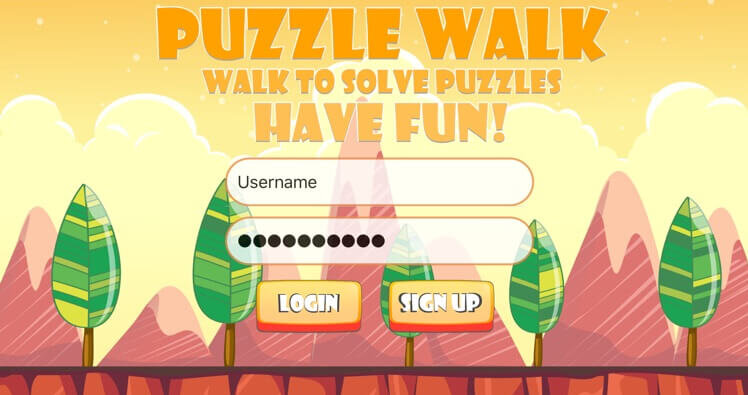
Screenshot from App Advice (https://appadvice.com/app/puzzlewalk/1450986746)

Additional aspects of our rationale are that using mobile technology as a physical activity intervention for students with ASD is their attraction to technology use due to its predictability and relatively low social requirements compared to traditional face-to-face social interactions (Kuo, Orsmond, Coster, & Cohn, 2014). Also, it is known that students with ASD possess particular strengths in visuospatial learning such as block design and image-based problem solving; this is why they are visual learners. A mobile application like PuzzleWalk allows students with ASD to be self-directed learners in their communities.

750x750bb4
Screenshot from App Advice (https://appadvice.com/app/puzzlewalk/1450986746)

Beyond working with students with ASD, recent research in various professional fields has shown that, depending on the game type and purpose, certain video games can lead to positive effects for participants (Franceschini, Trevisan, Ronconi, Bertoni, Colmar, Double, Facoetti &, Gori, 2017; Granic, Lobel., & Engels, 2014; Zayeni, Raynaud, & Revet, 2020; Uttal, Meadow, Tipton, Hand, Alden, Warren, & Newcombe, 2013). For example, the use of electronic and video games as a therapeutic intervention has shown success in the prevention and reduction of childhood anxiety and depression (Zayeni, Raynaud, & Revet, 2020). In cognitive psychology (Keilani & Delvenne, 2020), the use of electronic and video games has been shown to help patients manage social and emotional issues as well as improve focus, multitasking, and working memory (Keilani & Delvenne, 2020). Furthermore, children with other learning disabilities, such as dyslexia, have shown improved focused visuospatial attention, phonological short-term memory and ability to interpret and blend multiple sounds, all of which can positively enhance reading skills after training with action video games (Franceschini et al., 2017).


The Important Role of Unstructured Play for Adolescent Athletes

photo-1406075.jpg!d

If one were to visit a city park today, compared to thirty years ago, they may not find many similarities. At least not as many similarities as differences. Children exploring their imaginations and allowing themselves to play freely has become a thing of the past. Instead, children may be located in a spot where the parents pay a registration fee in order for their children to participate or sitting in their homes not allowed to leave, or maybe a few playing at the local city park. In today’s age, there are so many extrinsically motivating factors that catch the eyes of parents who think it puts their children at an advantage in an ever so competitive environment. This motivates parents to get their children involved, if they have the financial resources, in all the activities they can to make their child the “best.” This begs the question, is it really the best thing for them?

CWU_HPE_750x182px v2The Numbers
According to Sabo et al. (2008), in 2008, 69% of girls and 75% of boys aged 6-9 reported participating in an organized sport over the course of one year. Recent reports indicate that 67% of boys and 47% of girls are on a team by age six (Meredith, 2018). This may seem to be a high percentage, but one has to wonder what the percentages would look like if parents/society were not so forceful in getting kids involved with youth sports too young. The most recent information indicates that the average length of years in participation of children ages 3-18 is less than three years and that 80% of young athletes have quit sports after age fifteen (The Aspen Institute, 2017).

ball_football_playground_exercise_sport_hobby_school_yard-876993.jpg!d

Sports Vision for Basketball

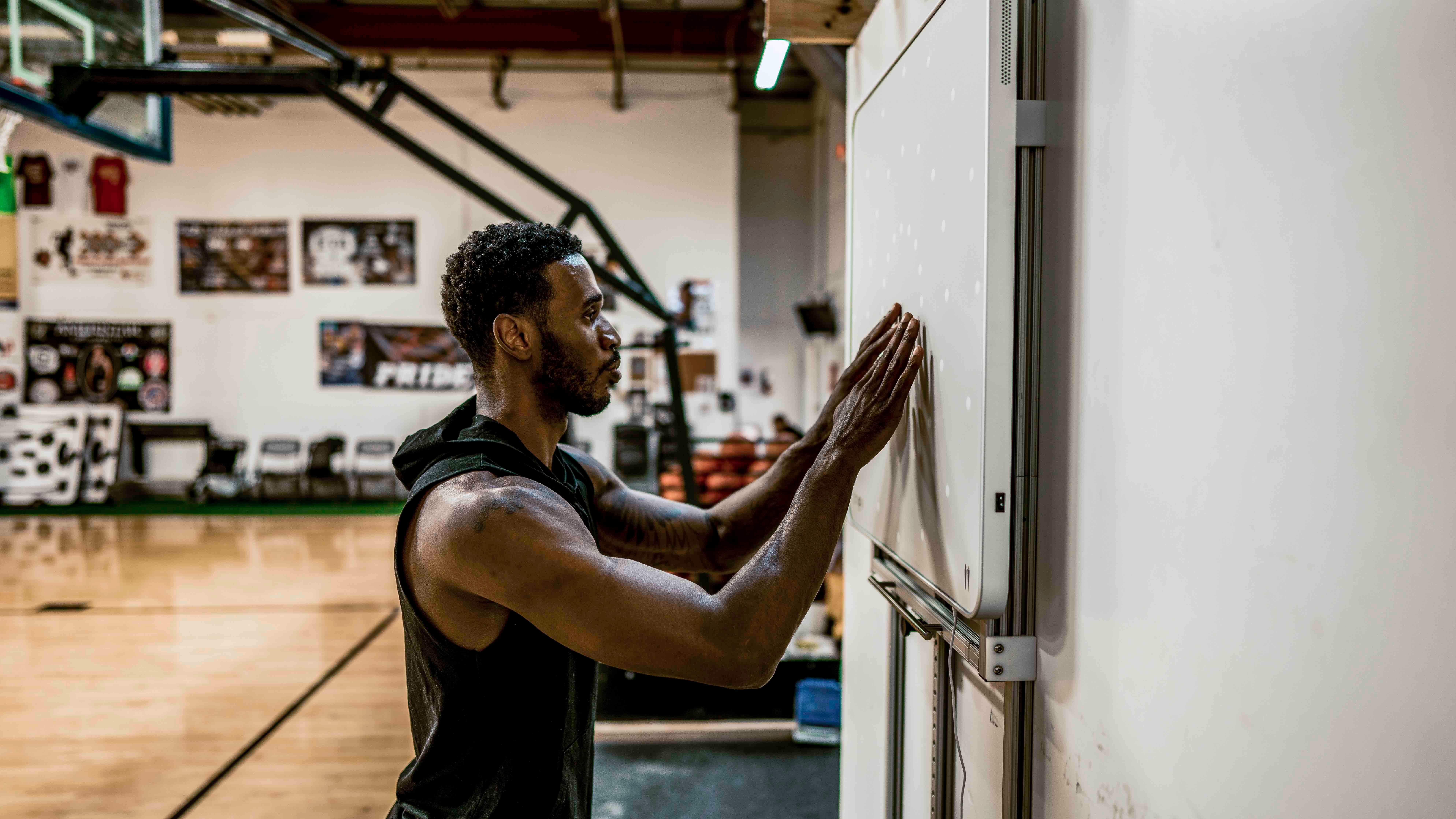
KareemRush_BinoviTouch_Action_2
“In reality, it all starts with vision.” – Kareem Rush, NBA shooting guard

Sports Vision Training: 2-Part Article Series


Regardless of the age or skill level of the players at hand, there’s one constant that cannot be ignored: success in basketball comes down to simply making shots. The National Basketball League (NBA) has long been called the “make or miss league,” an adage that reflects on a number of different aspects of pro ball, but strikes home when it comes to shooting. Good shooting comes in many different forms: watch an NBA game and you will see a variety of shooting forms and techniques. While there is an underlying set of concrete fundamentals that all shooters must have, how they implement them can vary. Often overlooked by players and coaches alike, vision plays a substantial role in a shooter’s ability to put the ball in the basket.

Binovi_Logo_RGB_SM@4x

“Athletes are always looking for anything that can give them a competitive edge. When asked when they perform at their best, all say that ‘the game slows down.’ In reality, it all starts with vision,” says NBA shooting guard Kareem Rush.

Introduction to Sports Vision Training

Binovi3_1.83.1 copy_2

Sports Vision Training: 2-Part Article Series


We’ve all been there: articles on this, journals on that, a recommended blog post from a colleague sitting in your inbox. It’s a lot to take in, but important to ensure we’re broadening our horizons and learning new things helps improve the coaching, training, and education we impart to the athletes with whom we work. The problems are the gaps in those resources. There have been amazing strides made in certain aspects of athletics, particularly with respect to performance. Advancements in biomechanics, nutrition, sport psychology —all incredibly important— have been common of late, but they tend to leave out a significant contributor to performance: vision.

Binovi_Logo_RGB_SM@4xOur vision accounts for as much as 80% —some argue even more— of the sensory input our brains process during our day-to-day lives. But how many drills, exercises, or activities are specifically targeting an athlete’s vision? And how many are having any significant impact on the mental processes going on behind the scenes? Most only really consider their vision when something changes with it: players see things less clearly, experience double-vision or blurriness, or notice something just isn’t quite as it should be.

The Latest in Vision Performance Training

(2-Part Article Series) Sports Vision Training

Binovi_Logo_RGB_SM@4x


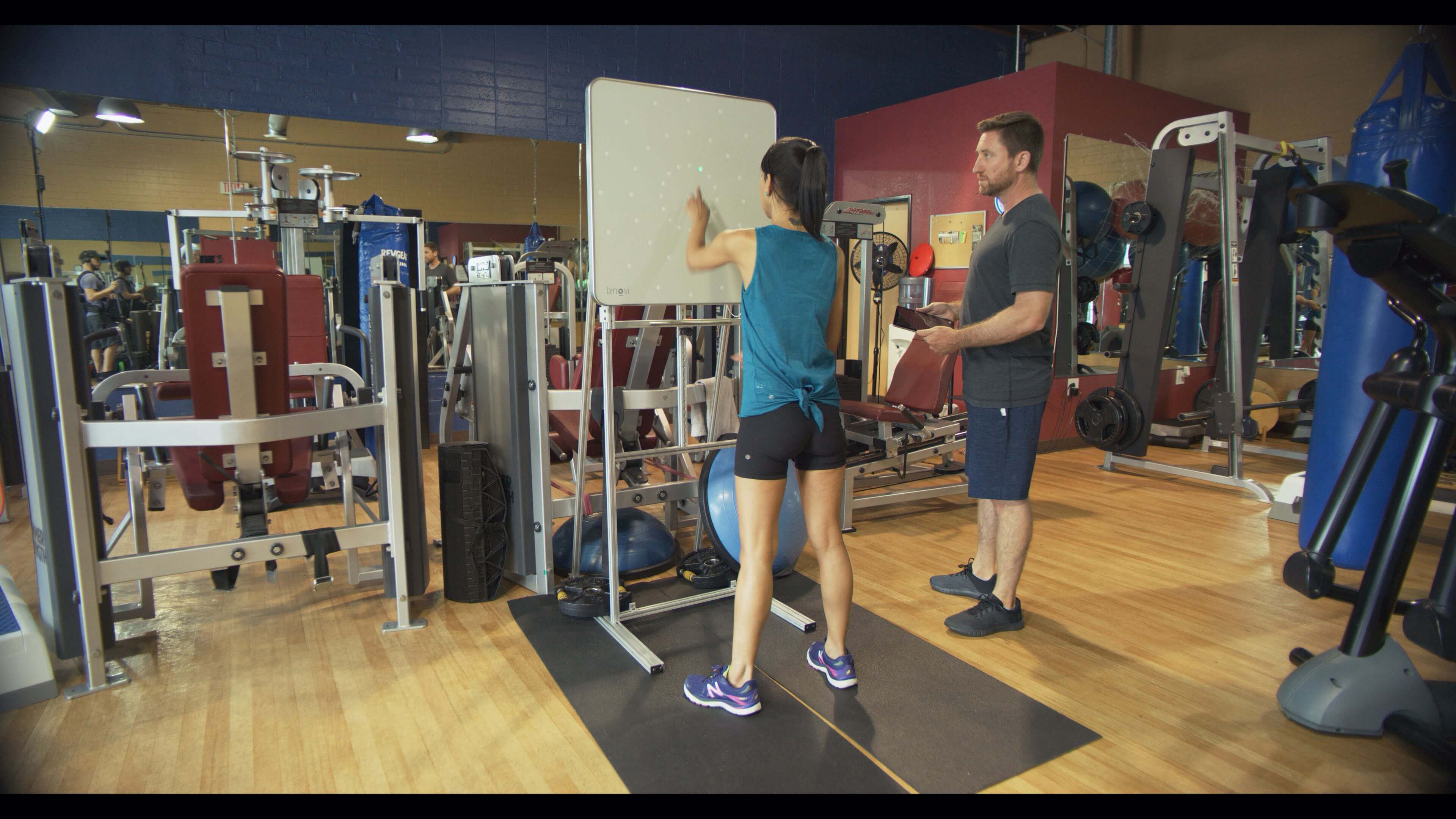
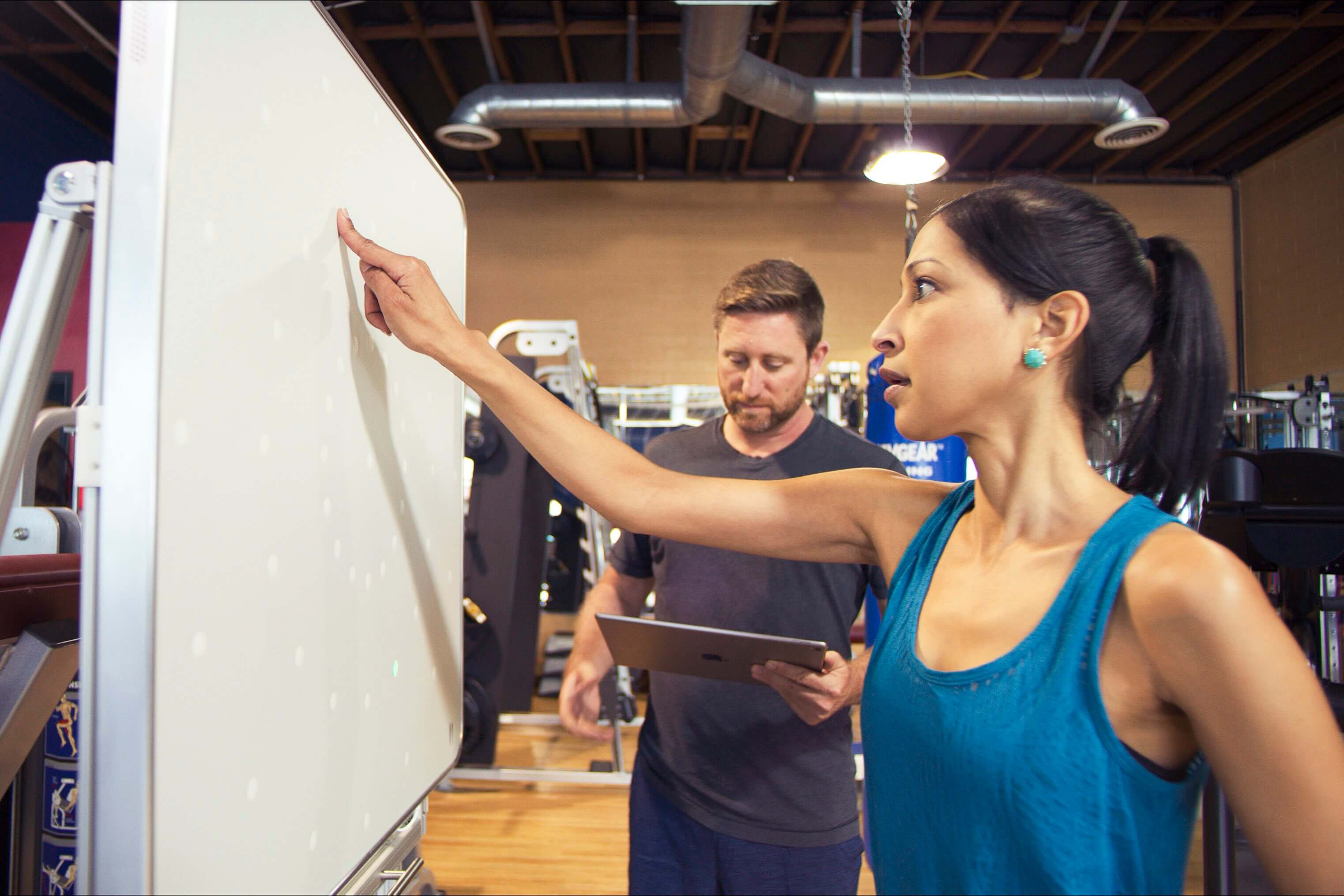
Built on decades of research and technological innovation, Binovi is a neuro-visual performance testing and training platform combining dedicated hardware and software, expert knowledge, and data insights to test, analyze, track, and report on visual and cognitive performance. We’ve worked with vision care, occupational therapy, and sports vision specialists to develop the tools used in child development, rehabilitation, athletic training, and more. Using Binovi, these specialists are able to identify issues with key vision skills, assign personalized plans to help remedy those issues, and improve overall performance.

In the Gym - Action_2